Why Am I Gaining Weight If I’m Eating and Exercising the Same?
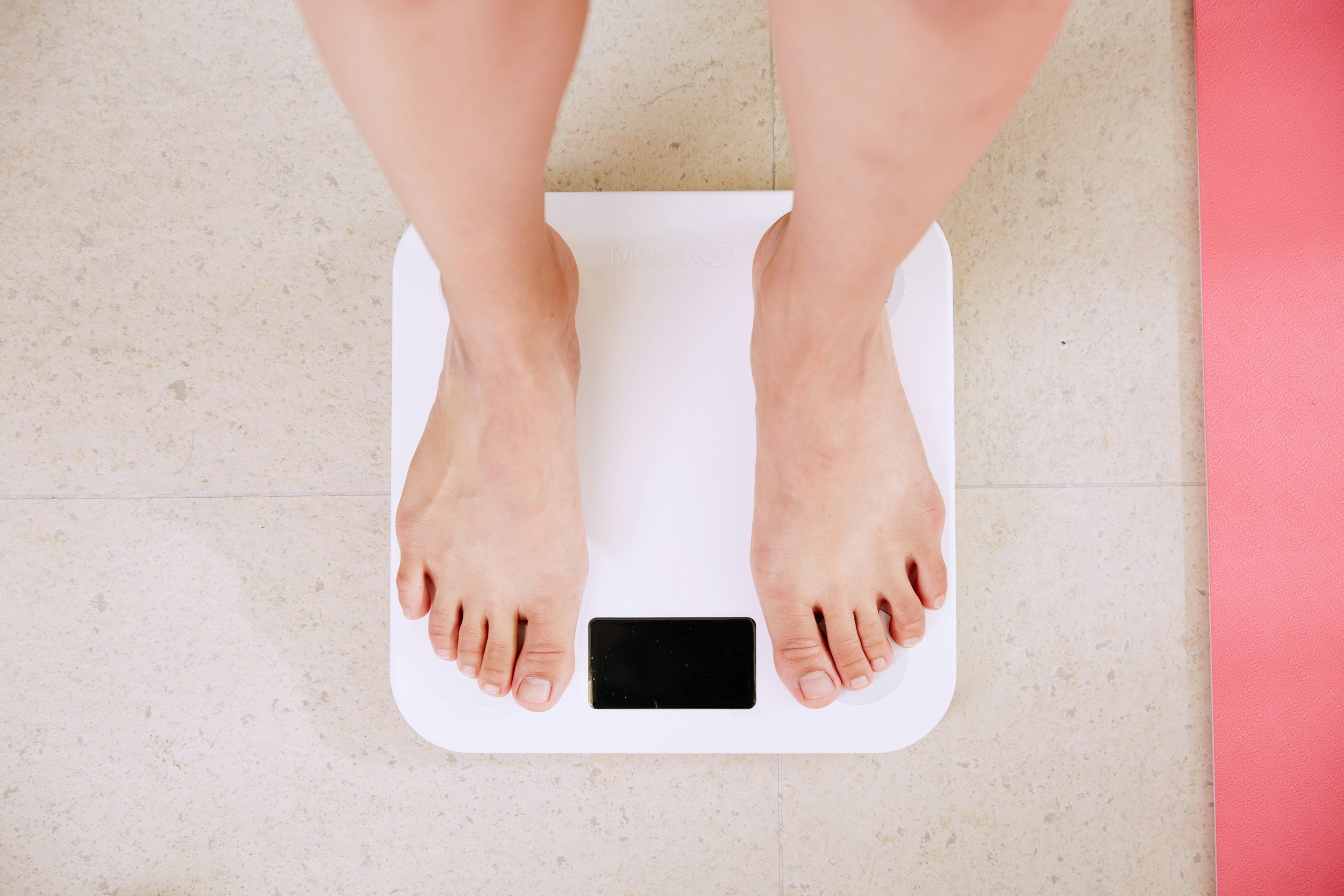
You’re eating the same foods. You’re still exercising. You haven’t made any major changes to your routine. Yet your waistline is expanding, the scale is creeping up, and the strategies that worked for years don’t seem to work anymore.
If this sounds familiar, you’re not alone.
For many women, perimenopause brings frustrating changes in weight and body composition. It’s easy to assume you need more discipline, stricter eating habits, or harder workouts. But what if the issue isn’t a lack of effort?
Your body is changing, even when your habits aren’t.
To understand why, let’s look at three interconnected factors: Biology, Brain, and Behavior.
1. Biology: Your body is changing
During perimenopause, fluctuating estrogen levels interact with other age-related changes that influence body composition, metabolism, and fat distribution.
Fat distribution shifts. As estrogen levels change, women tend to accumulate more fat around the abdomen. Your waistline may change even if your overall weight changes very little.
Muscle matters. Age-related muscle loss can contribute to lower energy expenditure. If you’re eating as you always have but using slightly less energy throughout the day, your weight may gradually increase.
Sleep affects the equation. Night sweats, insomnia, and disrupted sleep can influence appetite, food preferences, energy, and motivation to move.
Metabolic health evolves. Changes in activity, body composition, sleep, and hormonal status can influence insulin sensitivity and blood glucose regulation.
These changes don’t happen identically in every woman, and perimenopause isn’t the only possible explanation for weight gain. But it helps explain why the strategies that worked in your 30s may need adjusting in your 40s and 50s.
2. Brain: Your capacity may have changed
Perimenopause doesn’t just affect the body. Hormonal fluctuations can also influence sleep, mood, and cognitive function. Meanwhile, many women are navigating demanding careers, parenting, aging parents, and the invisible work of keeping everything running.
When demands consistently exceed your available resources, healthy habits can become harder to maintain.
Chronic stress doesn't automatically cause weight gain, but it can affect sleep, appetite, emotional regulation, and daily activity. When you’re exhausted or overwhelmed, reaching for quick comfort, skipping a workout, or choosing convenience over meal preparation may become more likely.
You may know exactly what you should do but have less energy and mental bandwidth to follow through.
This is where nervous system regulation can be helpful. Practices such as slow breathing, time outdoors, mindful movement, and creating opportunities for recovery may support sleep, emotional regulation, and sustainable health behaviors.
The goal isn't to eliminate stress. It's to build more capacity to navigate it.
3. Behavior: Your approach may need to evolve
When the scale goes up, many women respond by eating less, exercising more, and tightening the rules.
But sometimes, the answer isn't doing more. It's making strategic adjustments.
Prioritize strength training. Help preserve muscle while maintaining cardiovascular activity and everyday movement.
Support your nutrition. Focus on balanced, satisfying meals with adequate protein, fiber, and a variety of nutrient-dense foods rather than automatically cutting calories.
Protect your sleep. Address persistent sleep difficulties and menopause symptoms with your healthcare professional.
Reduce friction. Prepare convenient meals, schedule movement, and create routines that make healthy choices easier.
Make room for recovery. Consider where you can reduce unnecessary demands and build restorative moments into your day.
Your habits don't exist in isolation. They're shaped by your biology, your mental and emotional resources, and the environment in which you live.
When one area changes, the others may need attention, too.
Bringing It Together: Biology + Brain + Behavior
A more effective approach to midlife weight management considers all three:
Biology: What is changing in your body, and what support does it need?
Brain: How are stress, sleep, and mental load affecting your capacity?
Behavior: What adjustments to nutrition, movement, and daily routines are realistic and sustainable now?
If you're experiencing unexplained or rapid weight gain, talk with your healthcare professional about potential contributors, including medications, thyroid function, sleep, and metabolic health. Menopause hormone therapy may help appropriate menopause symptoms, but it isn't a weight-loss treatment.
You Don't Need More Discipline. You May Need a Different Strategy.
If you've spent years believing that maintaining your weight is simply a matter of trying hard enough, perimenopause can feel like a personal failure.
But your body is changing. Your brain is navigating new demands. Your life may be asking more of you than ever before.
Nutrition and exercise still matter. So does understanding the larger system in which those habits operate.
Instead of asking, “How do I get my old body back?” consider asking:
“What does my body need from me in this season of life?”
That shift can open the door to a more informed, sustainable, and compassionate approach to midlife health.
Because the goal isn't simply to weigh less. It's to feel stronger, function better, protect your long-term health, and build habits that support the life you want to live.