

Blog

The End-of-Winter Slump: Why You Feel “Off” (and What Actually Helps)
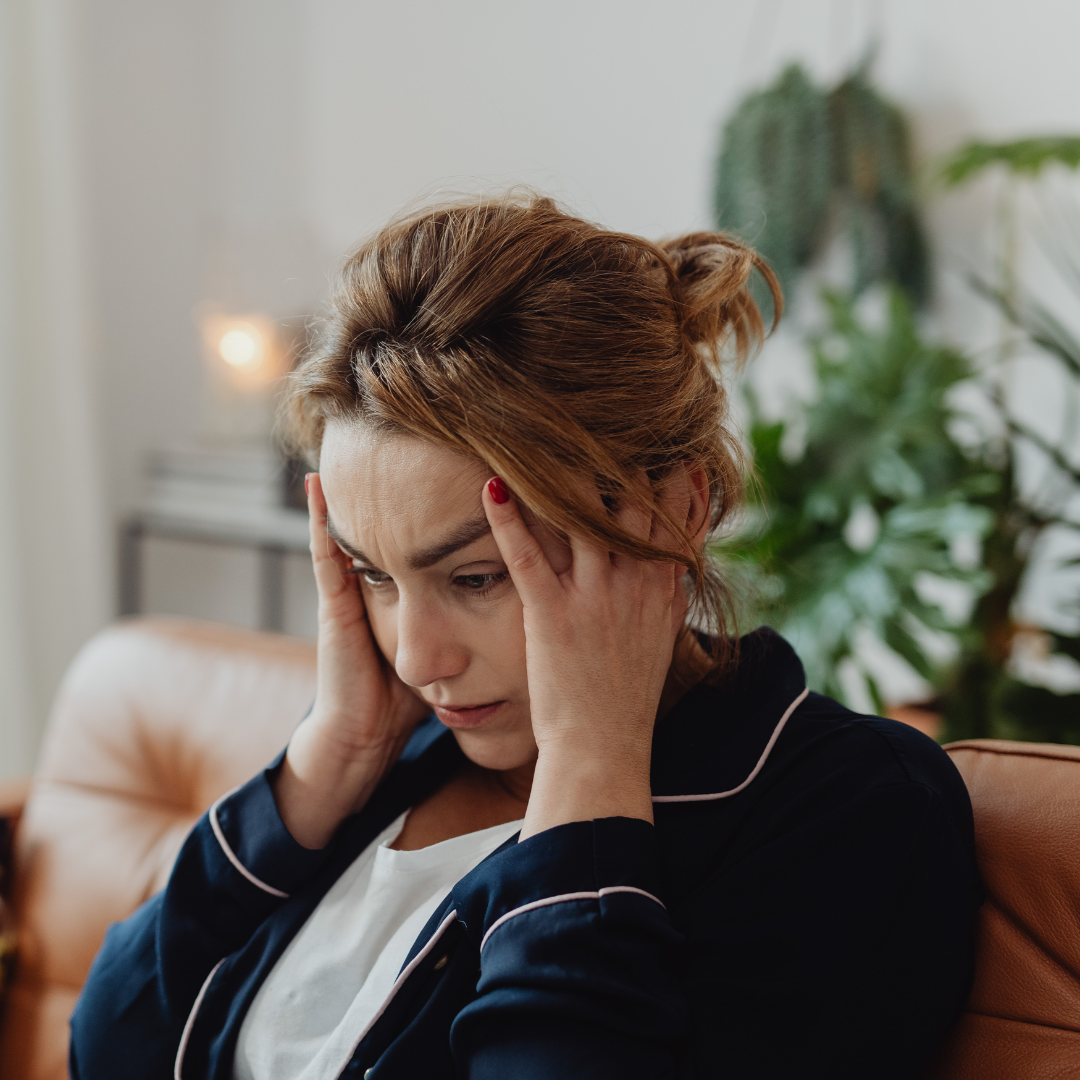
It’s that time of year. It’s been January for a year, the Superbowl is over, and the groundhog said SIX. MORE. WEEKS. So, if you’ve been feeling unusually flat, unmotivated, or emotionally “heavy” lately, you’re not alone. This time of year, late winter, when we’ve been cold and cooped up for months, can be a perfect storm for low mood and low motivation. People often tell me:
“I know what I should be doing, but I can’t get myself to do it.”
“I feel stuck.”
“I’m tired all the time, and I don’t feel like myself.”
“I keep waiting for motivation to come back… and it isn’t.”
The good news is: this isn’t a personal flaw. It’s a very human response to a season that’s biologically and psychologically hard on us. And there’s a lot we can do to feel better.
When Perfectionism Wins, Your Health Loses
Perfectionism is often praised in our culture. It can look like being disciplined, high-achieving, or deeply committed to doing things “the right way.” But beneath the surface, perfectionism is rarely about excellence; it’s about safety.
For many people, perfectionism develops as a way to cope with stress, criticism, unpredictability, or emotional pain. Although it may offer short-term relief or a sense of control, over time it can take a significant toll on both mental and physical health.

Simple, Science-Backed Ways to Prevent and Treat Seasonal Affective Symptoms (AKA The Winter Blahs)
As the days grow shorter and the temperatures drop, it’s common to feel a shift in mood, motivation, and energy. For many, this shift is subtle. For others, it can develop into Seasonal Affective Disorder (SAD), a form of depression that follows seasonal patterns, most often emerging in late fall and winter.

Why Perimenopause Can Feel Like an Emotional and Energy Rollercoaster and What to Do About It
If you’re in your 40s and wondering why your motivation, mood, and stress tolerance seem to have changed, you’re not alone. Perimenopause, the years or even decade, leading up to menopause is a period of powerful hormonal transitions that don’t just affect your reproductive system. They influence your brain chemistry, energy, and emotional regulation.

Community Connects us to Health
In an age of hyper-connectivity, it's surprising how many of us still feel isolated. We may have hundreds of digital “friends,” but fewer real-life connections we can call on when we’re in need and to celebrate the good times. As a health psychologist, I see a growing trend: people struggling with stress, fatigue, anxiety, and burnout—and while nutrition, sleep, and exercise matter deeply, one essential piece of the health puzzle is often missing: community.

Breaking Free from the Cycle of Health Anxiety
Most of us can relate to being concerned about our health from time to time. The problem arises when this worry about health becomes chronic and interferes with life. Health anxiety, sometimes called illness anxiety disorder, occurs when concerns about one’s health become overwhelming, persistent, and distressing. For those living with health anxiety, everyday bodily sensations can feel like alarming signs of serious illness, creating a cycle of fear, worry, and compulsive behaviors.

Love Yourself First: The Key to Healthy, Fulfilling Relationships
In my years as a health psychologist, I’ve seen a common pattern among individuals struggling in their relationships—whether romantic, familial, or platonic. They give endlessly, care deeply, and yet feel exhausted, unappreciated, or disconnected. When we explore further, a missing piece often emerges: self-love.

Top Lifestyle Strategies to Prevent and Treat Seasonal Affective Disorder (SAD)
As the days get shorter and colder, many people experience a drop in mood and energy, commonly known as Seasonal Affective Disorder (SAD). SAD is more than just the “winter blues”; it’s a form of depression that affects a significant number of people each year. Fortunately, there are lifestyle strategies that can help mitigate the symptoms of SAD, keeping your mind and body in balance through these darker months. Here are some of the most effective strategies: