

Blog

Why Maintaining Weight After GLP-1s May Be Harder Than Losing It
For many people, starting a GLP-1 medication feels like the first time their body and brain are finally working with them instead of against them. Relief!
The constant food noise quiets. Cravings decrease. Hunger feels manageable. Weight begins to shift in ways that years of dieting, tracking, restricting, and “trying harder” never seemed to accomplish. And then comes the question that almost everyone eventually asks:
“What happens if/when I stop?”
This is where the conversation often becomes oversimplified.

Navigating Perimenopause with GLP-1s and HRT: Why Biology Isn’t the Whole Story
In response, more women are turning to two powerful medical tools: GLP-1 receptor agonists and hormone replacement therapy (HRT)/menopause hormone therapy (MHT). Both can be incredibly helpful, but neither works in isolation.
This is where a health psychologist plays a critical role.
Let’s unpack how these pieces fit together.

Why Weight Loss Isn’t Just Willpower: Hormones and the Nervous System Explained
If weight loss were simply about willpower, far more people would “just stick to it.” But after years of working with women navigating stress, perimenopause, burnout, autoimmune issues, and metabolic changes, I can tell you this:
Weight regulation ability is not a character trait.
It’s a biological process.
And biology is deeply influenced by hormones and the nervous system.

The End-of-Winter Slump: Why You Feel “Off” (and What Actually Helps)
It’s that time of year. It’s been January for a year, the Superbowl is over, and the groundhog said SIX. MORE. WEEKS. So, if you’ve been feeling unusually flat, unmotivated, or emotionally “heavy” lately, you’re not alone. This time of year, late winter, when we’ve been cold and cooped up for months, can be a perfect storm for low mood and low motivation. People often tell me:
“I know what I should be doing, but I can’t get myself to do it.”
“I feel stuck.”
“I’m tired all the time, and I don’t feel like myself.”
“I keep waiting for motivation to come back… and it isn’t.”
The good news is: this isn’t a personal flaw. It’s a very human response to a season that’s biologically and psychologically hard on us. And there’s a lot we can do to feel better.
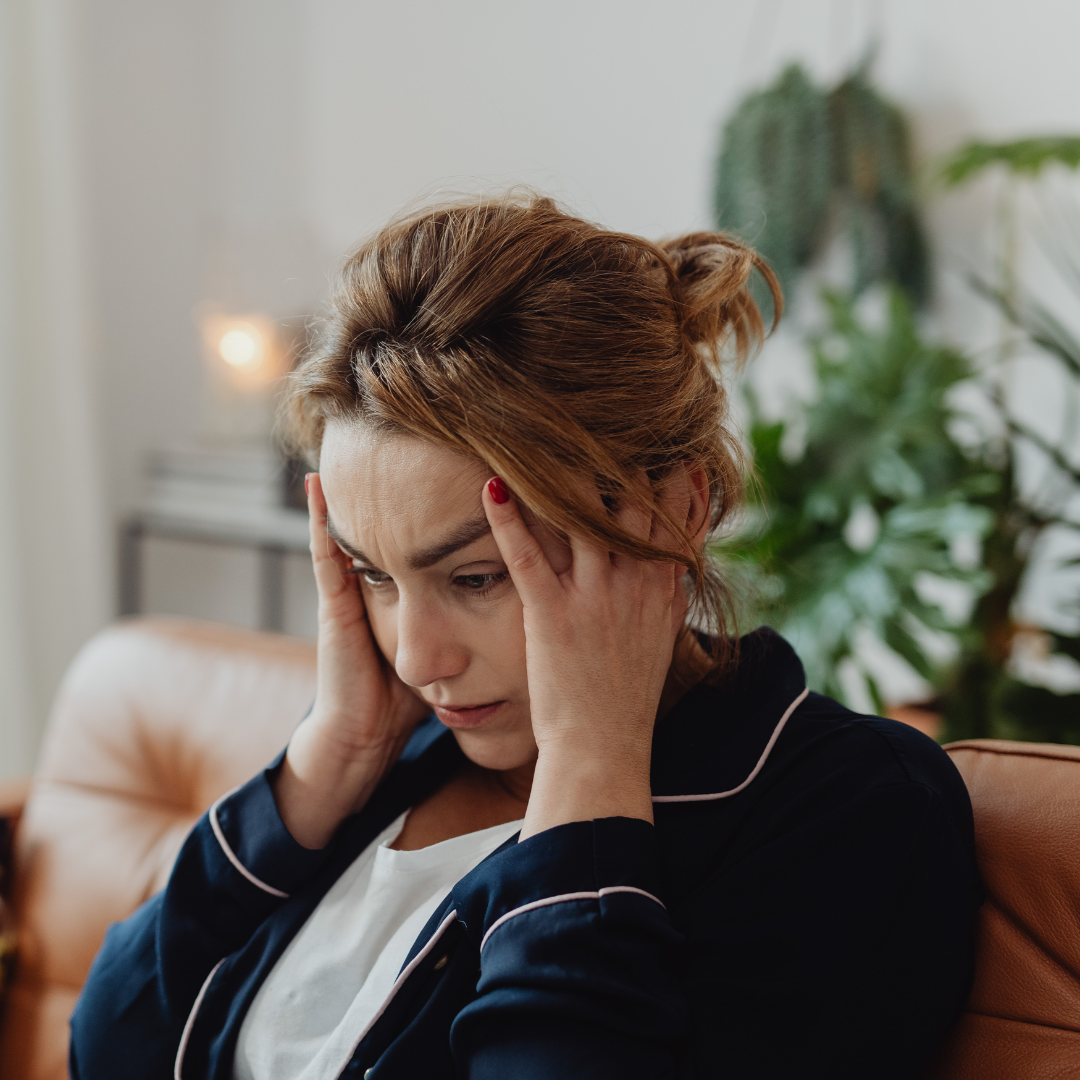
When Perfectionism Wins, Your Health Loses
Perfectionism is often praised in our culture. It can look like being disciplined, high-achieving, or deeply committed to doing things “the right way.” But beneath the surface, perfectionism is rarely about excellence; it’s about safety.
For many people, perfectionism develops as a way to cope with stress, criticism, unpredictability, or emotional pain. Although it may offer short-term relief or a sense of control, over time it can take a significant toll on both mental and physical health.

Simple, Science-Backed Ways to Prevent and Treat Seasonal Affective Symptoms (AKA The Winter Blahs)
As the days grow shorter and the temperatures drop, it’s common to feel a shift in mood, motivation, and energy. For many, this shift is subtle. For others, it can develop into Seasonal Affective Disorder (SAD), a form of depression that follows seasonal patterns, most often emerging in late fall and winter.
Why Perimenopause Can Feel Like an Emotional and Energy Rollercoaster and What to Do About It
If you’re in your 40s and wondering why your motivation, mood, and stress tolerance seem to have changed, you’re not alone. Perimenopause, the years or even decade, leading up to menopause is a period of powerful hormonal transitions that don’t just affect your reproductive system. They influence your brain chemistry, energy, and emotional regulation.

When You Grow, Not Everyone Applauds: Why Family and Friends May Struggle with Your Positive Changes
You’d think that making positive changes like eating better, setting boundaries, moving your body, or managing stress would be something everyone around you celebrates. But sometimes, instead of support, you’re met with resistance, jokes, subtle criticism, or even distance.